Home / Services / Orthodontics

Straight Teeth Without Losing Years of Your Life to Them.

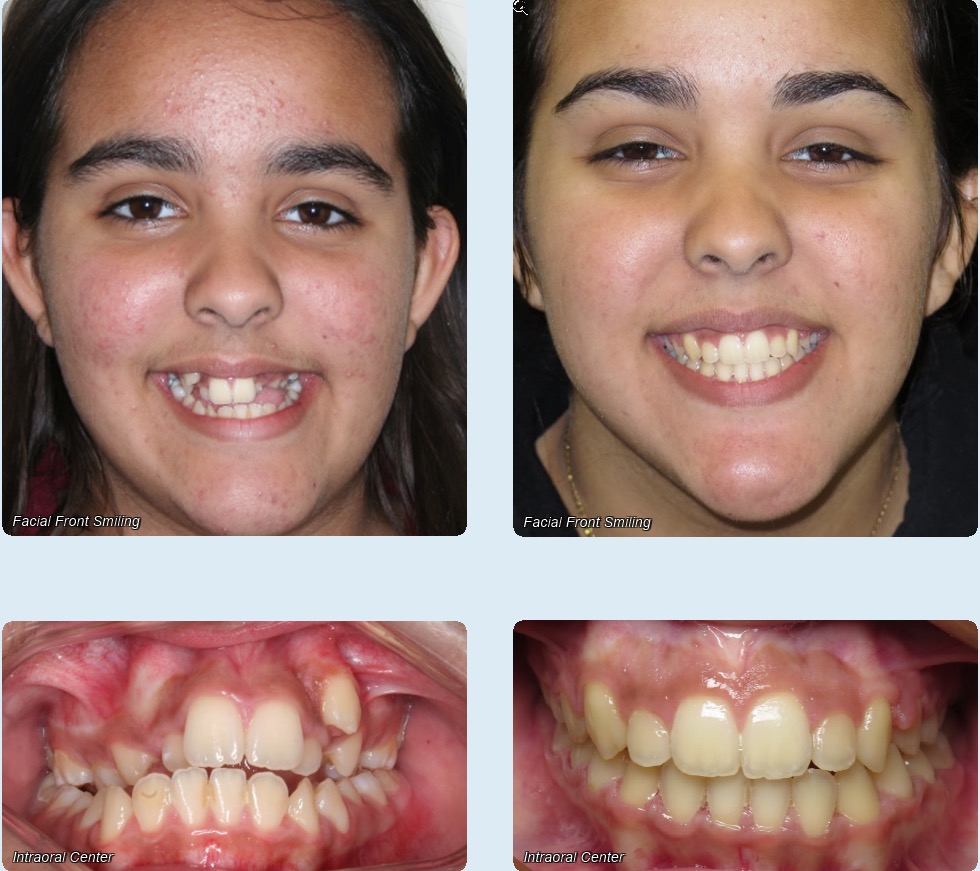
Traditional braces for the fastest, most controlled correction β€” or clear aligners for teens and adults who'd rather no one noticed mid-treatment. Both get you to the same place. The right one depends on your case, not your preference alone.

Braces vs. Clear Aligners

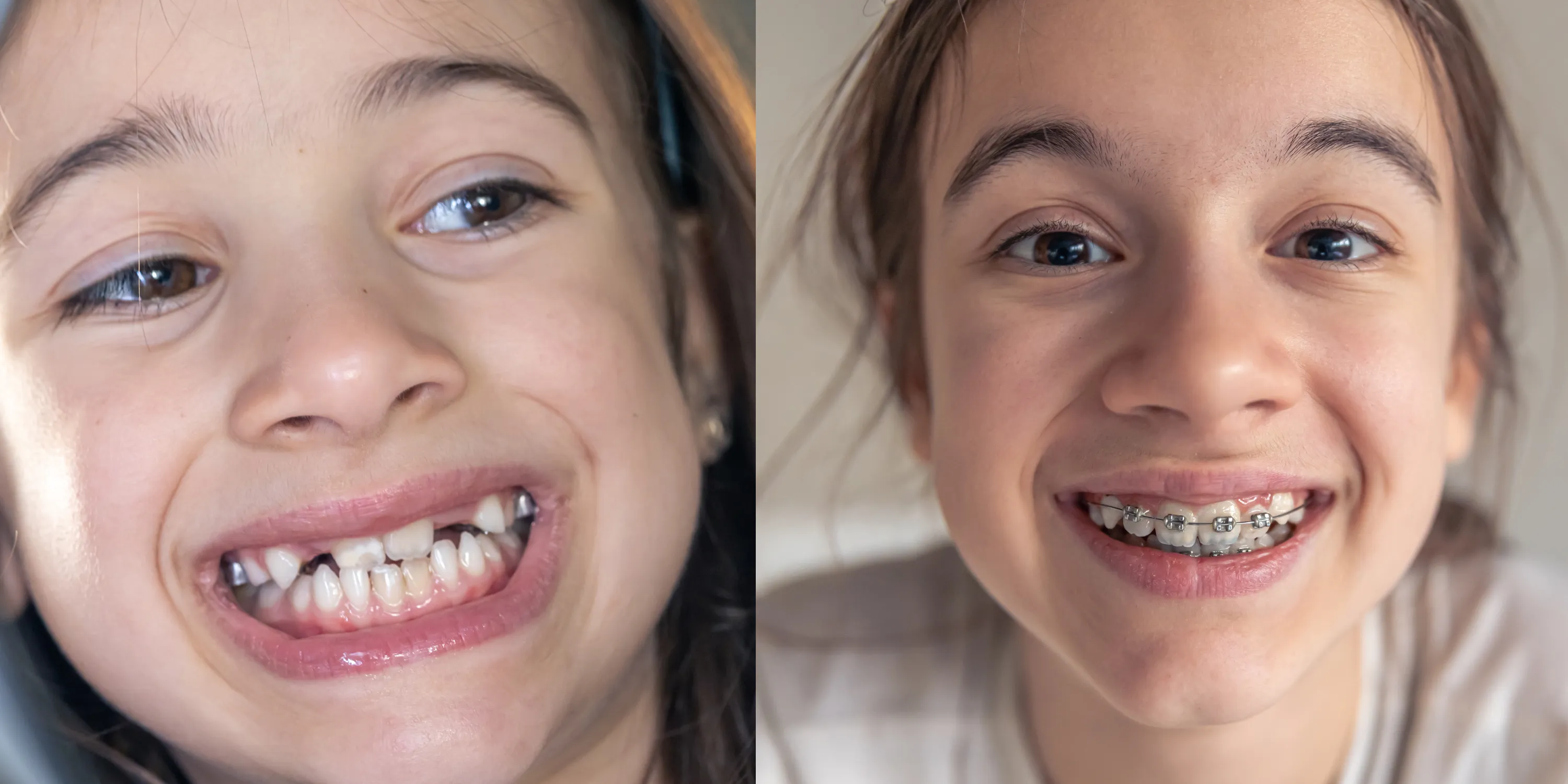
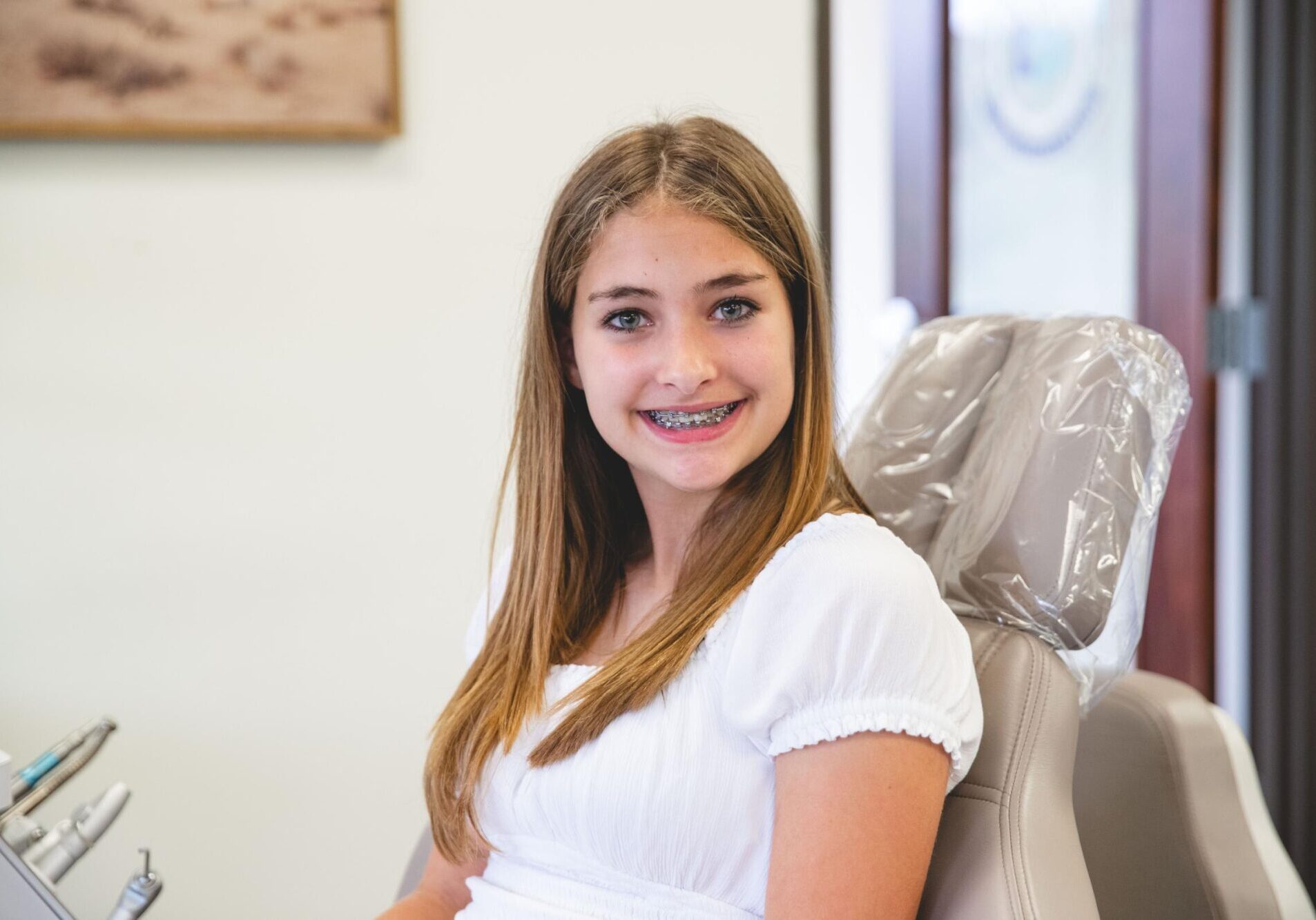
Traditional braces use metal brackets and wires, adjusted every few weeks, to move teeth into position. They're the most predictable option and handle complex bite issues that aligners sometimes can't.

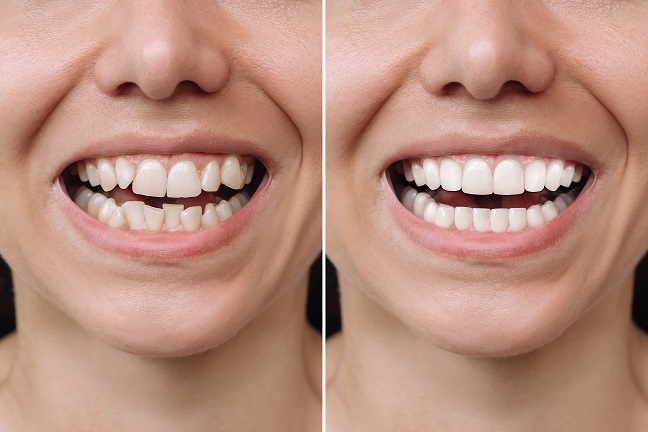
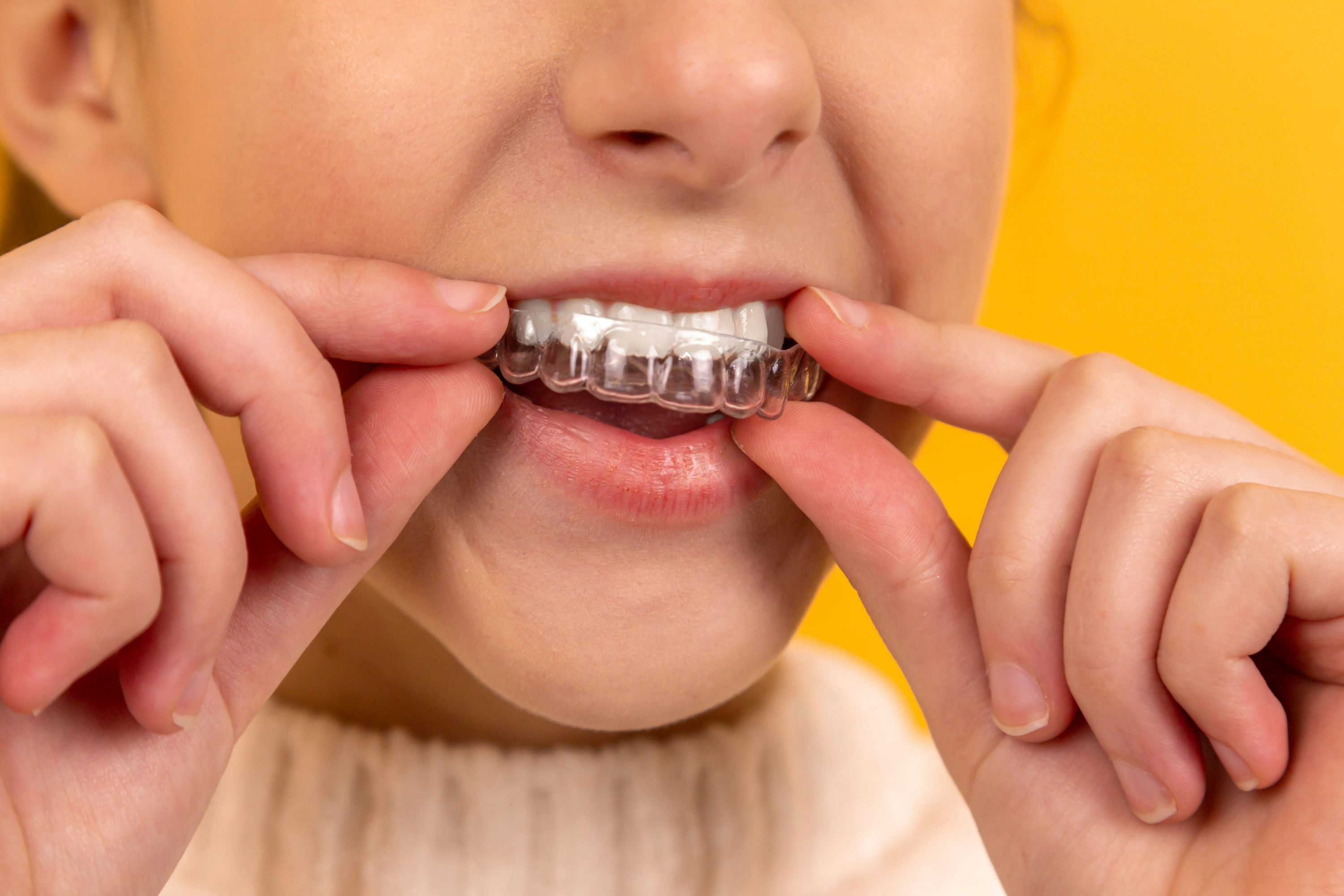
Clear aligners are a series of custom, removable, nearly invisible trays, changed every 1–2 weeks as your teeth gradually shift. Better suited to mild-to- moderate crowding or spacing, and popular with adults who don't want visible metal during treatment.

We'll tell you honestly during your consultation which one actually fits your case β€” not just which one you'd prefer to hear.
Who It's For

The Process & Timeline

Total treatment time varies by case β€” typically 10 to 24 months.

1

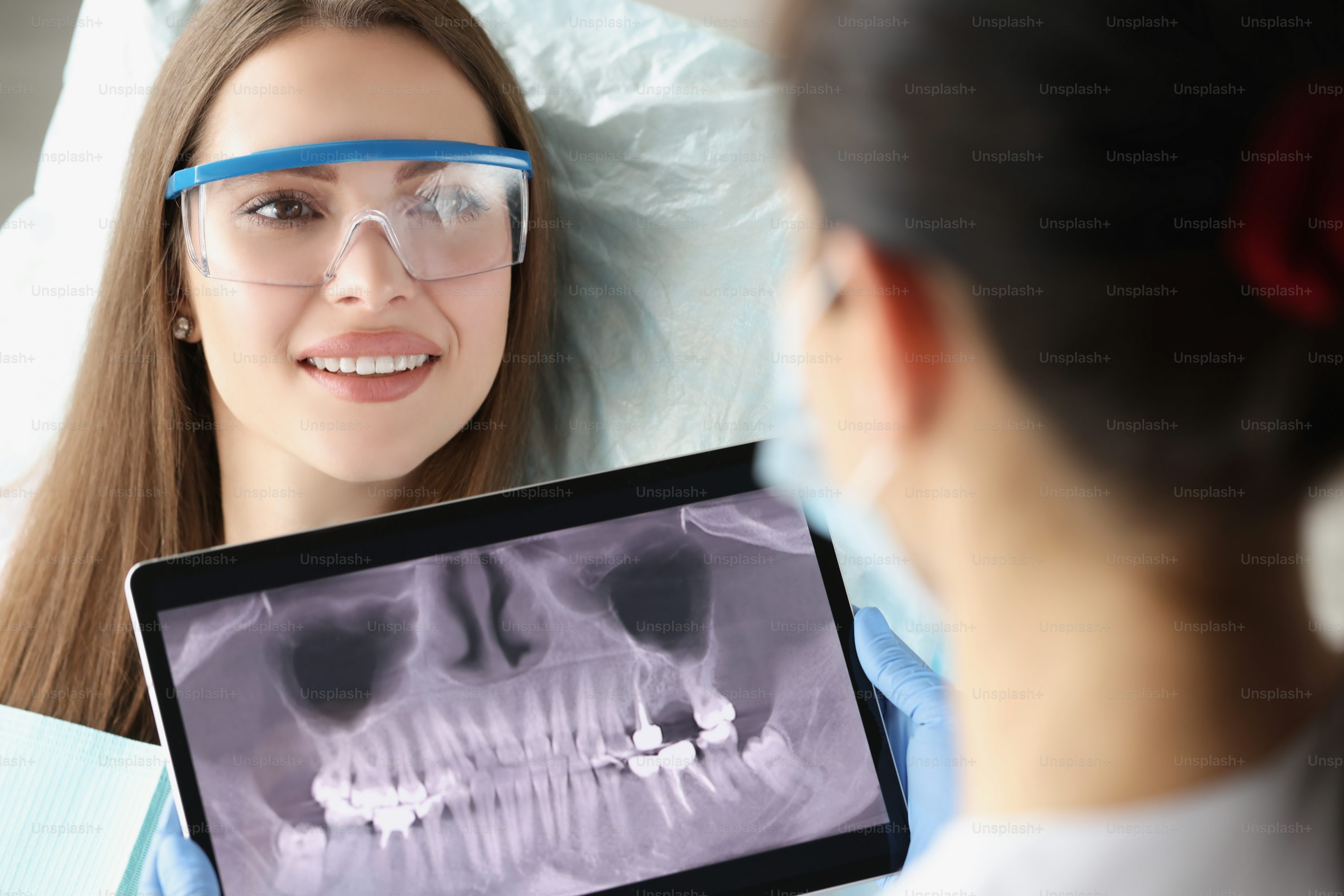
Consultation & X-Ray

We assess your bite and spacing, and recommend braces or aligners based on what your case actually needs.

2

Fitting

Braces are bonded on, or your first set of custom aligner trays is issued.

3

Ongoing Adjustments

Braces are tightened every 4–6 weeks in-clinic; aligners are swapped for the next set every 1–2 weeks at home.

4

Retention Phase

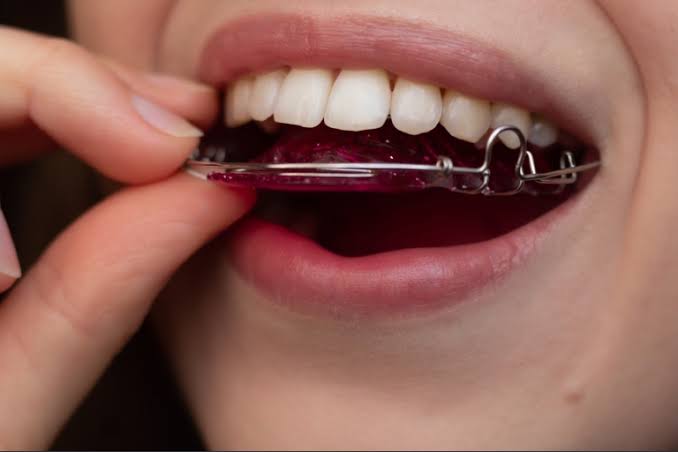
Once teeth are in final position, a retainer keeps them there β€” this step is what makes results actually last.

Pricing

Traditional Metal Braces (full treatment)

Starting from NPR 45,000 (approx. USD 340)

Clear Aligners (full treatment)

Starting from NPR 90,000 (approx. USD 680)

Final pricing depends on case complexity and total treatment length β€” confirmed exactly after your consultation, before you commit to anything.

""
β˜…β˜…β˜…β˜…β˜…

"I didn't want metal brackets showing up in every work video call for two years. Clear aligners fixed my spacing in ten months, and barely anyone noticed I was even wearing them."

β€” Priya K.

Frequently Asked Questions

Do braces hurt?

There's usually mild soreness for a few days after fitting and after each adjustment, manageable with standard pain relief. It's discomfort from pressure, not pain from damage β€” a normal part of teeth actually moving.

How long does treatment actually take?

Most cases run 10 to 24 months, depending on how much correction is needed. We'll give you a specific estimate for your case at the consultation, not a generic range.

Can adults get braces or aligners at any age?

Yes β€” teeth can move at any age as long as gums and bone are healthy. A meaningful share of our orthodontic patients are adults, not just teenagers.

Which one is right for me, braces or aligners?

It depends on how complex your case is. Aligners work well for mild-to-moderate crowding or spacing; more complex bite corrections often need the precision of traditional braces. We'll tell you which applies to you at the consultation.

Ready to find out which option fits your case?

A consultation and X-ray will tell you exactly what your teeth need β€” and exactly what it costs β€” before you decide anything.

Book a Free Consultation β†’